
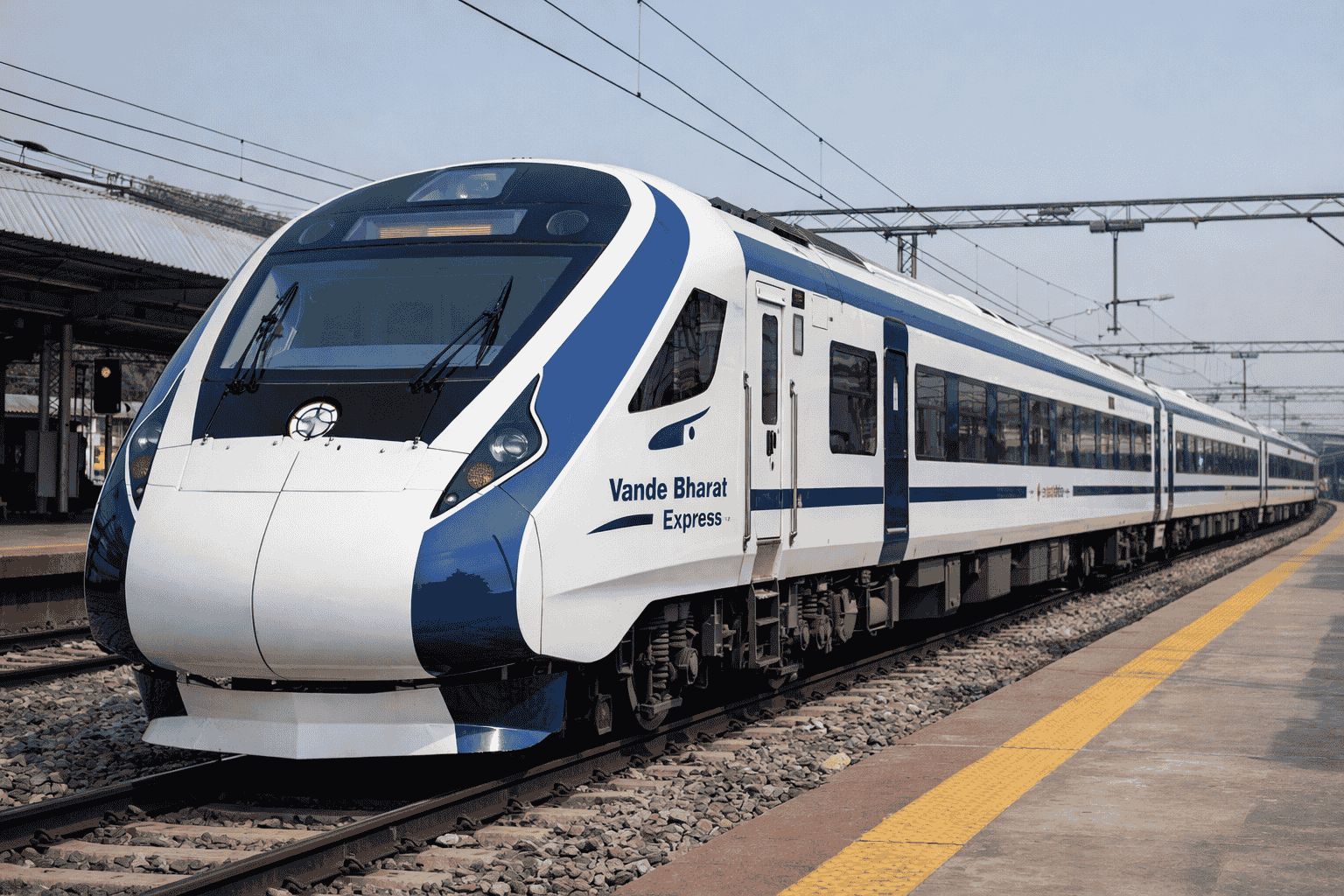
Introduction
Railway systems operate under demanding conditions where safety, durability and consistent performance are essential. From electronic control units and signalling systems to electrical panels and onboard equipment, every component must withstand mechanical stress, temperature variations, moisture, dust and electromagnetic disturbances.
With the advancement of railway infrastructure and technology, the demand for reliable railway testing services continues to grow. Manufacturers and railway equipment suppliers need to ensure that their products meet applicable industry standards and perform reliably under real-world operating conditions.
At Infiwave Labs, we provide product testing solutions designed to evaluate the performance, durability and reliability of equipment used across demanding industrial and railway applications
Why is Railway Equipment Testing Important?
Railway equipment is continuously exposed to challenging operating environments. Without proper testing, mechanical failures, electrical disturbances or environmental damage can affect equipment performance and operational safety.
Railway testing helps manufacturers:
- Evaluate product reliability under demanding operating conditions.
- Identify mechanical weaknesses and potential failures.
- Assess resistance to temperature, humidity, dust and moisture.
- Verify electromagnetic compatibility of electronic equipment.
- Support product qualification against applicable industry standards.
Key Testing Solutions for Railway Equipment
Different railway components require specific testing based on their design, application and installation environment. Some important testing solutions include:
1. Vibration Testing
Railway equipment experiences continuous vibrations due to train movement, track conditions and mechanical operations. Vibration testing evaluates whether components can withstand these conditions without structural damage or functional failure.
It is particularly relevant for electronic control units, communication equipment, sensors, electrical panels and onboard systems.
2. EMI/EMC Testing
Modern railway systems rely on electronic signalling, communication and control technologies. EMI/EMC testing evaluates electromagnetic emissions and immunity to ensure that electronic equipment operates reliably without causing or experiencing unacceptable electromagnetic interference.
3. Shock Testing
Sudden mechanical impacts during railway operations can affect the structural integrity and functionality of equipment. Shock testing evaluates the ability of railway components to withstand sudden acceleration and deceleration forces without compromising performance.
4. Environmental Testing
Railway components may be exposed to extreme temperatures, humidity, dust, rain and other environmental conditions. Environmental testing assesses product durability under these exposures and helps manufacturers identify potential performance issues.
Common tests include temperature cycling, damp heat, salt spray, dust and rain testing.
5. IP Testing
Ingress Protection (IP) testing evaluates the resistance of equipment enclosures against the entry of dust and water. It is particularly important for outdoor railway equipment, electrical enclosures, lighting systems, sensors and control panels.
6. Fire & Material Testing
Fire safety is an important consideration for railway interiors, electrical installations and passenger coach components. Fire testing evaluates material characteristics such as flammability, flame propagation, smoke generation and other relevant fire performance properties.
Important Standards for Railway Testing
Railway equipment testing may involve various international standards and technical specifications depending on product type and application.
Some commonly referenced standards include:
Standard Application
| IEC 61373 | Railway shock and vibration testing |
| EN 50155 | Electronic equipment for rolling stock |
| EN 50121 | Railway electromagnetic compatibility |
| IEC 60529 | Ingress Protection (IP) testing |
| IEC 60068 | Environmental testing |
| EN 45545 | Fire protection for railway vehicles |
The applicable standard and its requirements should be selected according to the equipment category and intended railway application.
Railway Testing Solutions at Infiwave Labs
At Infiwave Labs, we understand the importance of reliable testing in the railway industry. Our testing capabilities focus on evaluating product performance, mechanical durability, environmental resistance and electromagnetic compatibility.
We aim to support manufacturers, OEMs, railway suppliers and product developers in identifying suitable testing parameters and evaluating their products against applicable technical requirements.
Whether you are developing new railway equipment or assessing an existing product, choosing the right testing approach is essential for long-term reliability.
Frequently Asked Questions:
Looking for reliable Railway Testing Services?
Ensure your railway products are evaluated for performance, durability and reliability. Connect with Infiwave Labs to discuss your railway equipment testing requirements.
Contact Infiwave Labs today to explore the right testing solutions for your products.